Everyone is talking about these high profile killings – except prison abolitionist professors
Ongoing criminal cases have attracted nationwide attention, but professors who support abolishing the prison system have been quiet when asked for comment.
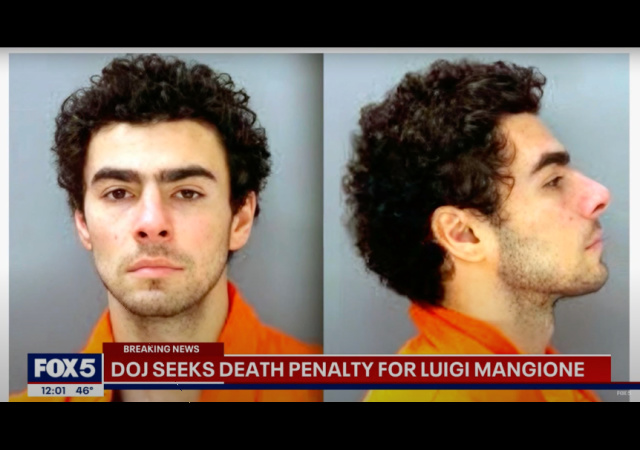
A judge recently ruled Tyler Robinson should face a trial for allegedly killing Charlie Kirk during an event at Utah Valley University. At the same time, Luigi Mangione has admitted to killing UnitedHealthcare CEO Brian Thompson in New York. Finally, Lindsay Clancy is awaiting the next steps in the case against her for killing her three children.
Yet many university professors who advocate against prisons did not respond to multiple requests for comment in the wake of these ongoing court proceedings.
The College Fix contacted nine university professors and graduate instructors who support prison abolition from states including Pennsylvania, Massachusetts, and Utah. The Fix then asked for their views on the court cases such as whether they were convicted, and whether they would support prison time and/or the death penalty for any, all, or some of these cases. In addition, The Fix asked what punishments, if any, the accused killers should face if convicted.
The Fix contacted Toussaint Losier University of Massachusett-Amherst, Anthony Nocella at Salt Lake Community College, Robert Holbrook at University of Pennsylvania, and doctoral student Celena Todora at the University of Pittsburgh.
Tommie Shelby at Harvard University, Ben Brucato University of Massachusetts-Amherst, and Mark Warren at University of Massachusetts-Boston all did not respond to emails and phone calls in the past several weeks.
Professor Dorothy Roberts, at UPenn, declined to comment, as did Professor Jasmine Rose at Boston University.
“My work focuses on evidentiary procedure. I do not see how my personal opinion regarding these tragic homicides in pending cases could be of any particular import to anyone,” Professor Rose said via email.
An assistant for Professor Roberts said she has a full schedule and “is unable to provide a comment.”
Two legal scholars explained why they thought abolitionists would not comment on these cases.
“Prison abolition supporters would have a difficult time recommending appropriate treatment for anyone found guilty of a heinous crime,” Barry Latzer told The Fix via email. He is an emeritus professor of criminal justice at the City University of New York.
Donations tax deductible
to the full extent allowed by law.