
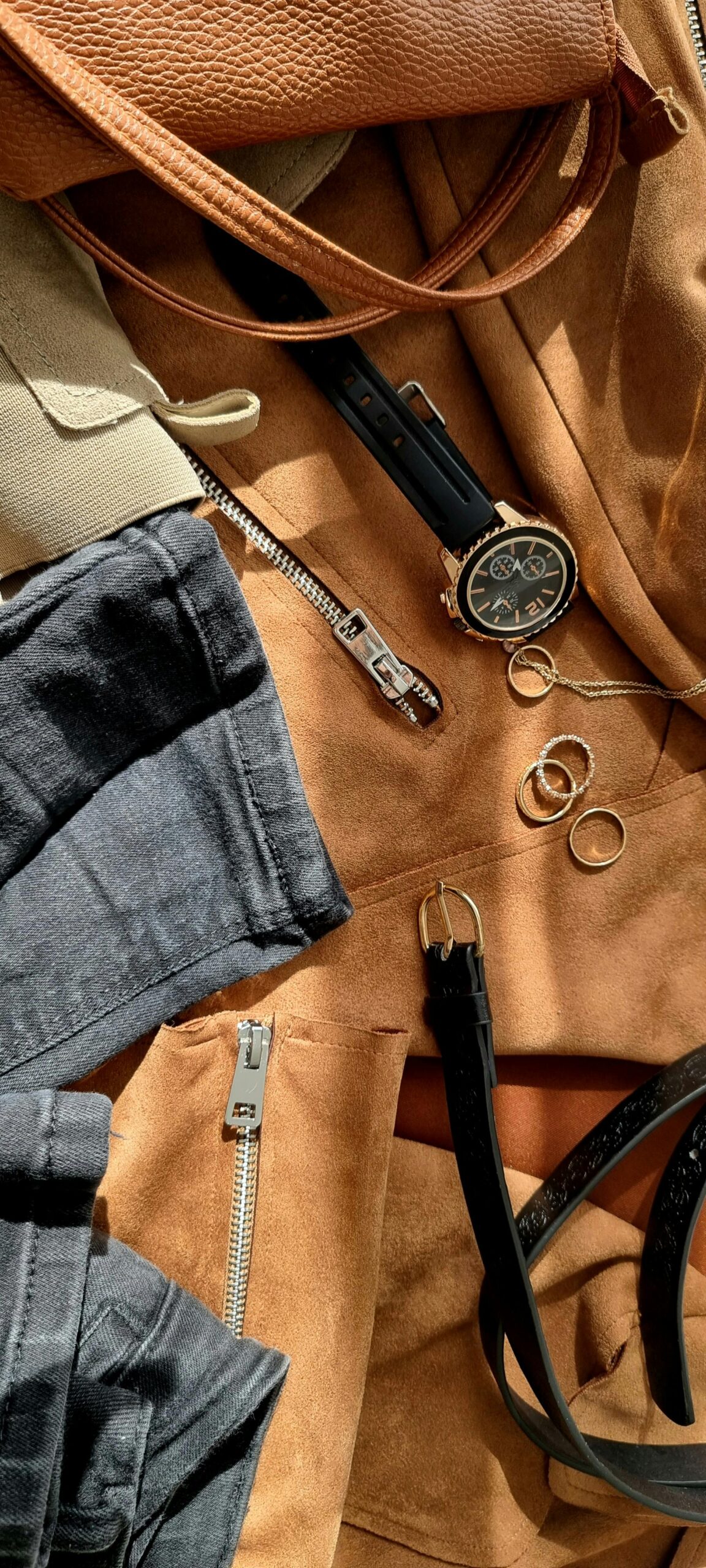
The evolution of fashion is a journey from status-based armor to identity-driven technology. In March 2026, we view this history not as a series of disappearing trends, but as a “Circular Loop” where the craftsmanship of the past is being resurrected by the artificial intelligence of the future.
1. The Eras of Transformation
The trajectory of fashion can be broken into five distinct “Operating Systems.”
| Era | Focus | Key Silhouette / Innovation | Cultural Driver |
| Pre-1900s | Status & Formality. | The S-bend Corset & Bustle. | Industrial Revolution wealth. |
| 1920s–1940s | Liberation & Utility. | The Flapper Dress / Utility Suits. | Women’s Suffrage & WWII. |
| 1950s–1970s | Rebellion & Subculture. | The Mini Skirt / Bell-bottoms. | Youth Quake & Civil Rights. |
| 1980s–2010s | Excess & Fast Fashion. | Power Suits / Low-rise Jeans. | Globalization & Mass Retail. |
| 2020s–2026 | Circular Intelligence. | Adaptive & Digital-Twin Garments. | Sustainability & Generative AI. |
2. The 2026 Perspective: From “Fast” to “Bespoke”
The most radical shift in the last 100 years has been the move from the Dressmaker (1900s) to the Factory (2000s) and finally back to Bespoke Tech (2026).
- 1900–1920 (The Silhouette Shift): Fashion moved from the restrictive “S-curve” to the linear, androgynous “Garçonne” look. This was the first time fashion prioritized a woman’s movement over her social “shape.”
- 1990–2015 (The Rise of the Algorithm): Fast fashion (Zara, H&M) democratized style but created a global waste crisis. Fashion became a disposable commodity.
- 2020–2026 (The AI Correction): We are currently in the era of “Zero-Sample Production.” Brands now use Style-Pose AI and Digital Twins to design, fit, and sell clothes virtually before a single thread is cut, reducing textile waste by up to 30%.
3. Key Drivers of Evolution in 2026
- Hyper-Personalization 2.0: In 2026, the “Standard Size” is becoming obsolete. AI assistants now cross-reference your purchase history and 3D body scans to ensure a 98% fit accuracy across different brands.
- Phygital Fashion: Trends no longer start only on runways. They emerge in the “Metaverse” or on social platforms as digital-only skins and are then 3D-printed into physical garments for “IRL” (In Real Life) wear.
- Nostalgia as a Service: March 2026 is seeing a massive surge in “Neo-Vintage.” AI is being used to analyze 1990s and early 2000s archives to recreate “new-old” pieces using sustainable, modern bio-fibers.
4. Summary: The Future is Circular
The “Present” of fashion is defined by Circularity.
- Regenerative Materials: We are seeing the mainstreaming of mycelium (mushroom) leather and lab-grown silk.
- Resale as Standard: Luxury brands have integrated their own “Pre-Loved” platforms, treating garments as high-value assets rather than one-time purchases.
- Agentic Commerce: AI “Style Agents” now act as intermediaries, helping you find the best waterproof jacket or a sustainable wedding outfit based on complex reasoning rather than just keywords.
2026 Insight: Fashion has evolved from a tool of Conformity (wearing what everyone else in your class wears) to a tool of Computational Expression (wearing a garment that is unique to your data, your ethics, and your body).

Leave a Reply