
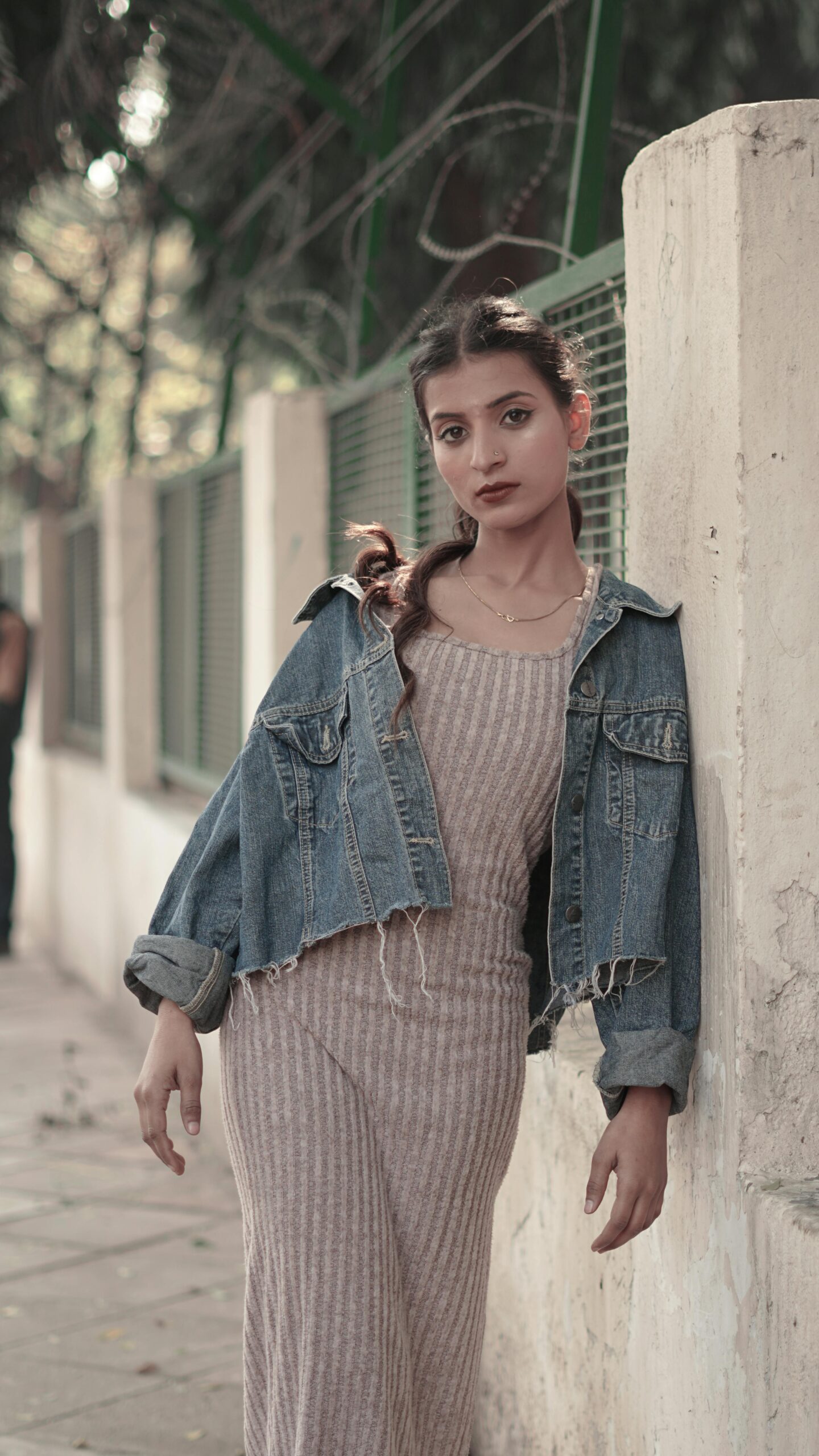
In March 2026, the conversation around fashion has shifted from “looking good” to “Emotional Utility.” As our lives become increasingly digital, the physical act of dressing has become a grounded, meditative ritual. Fashion is no longer just a social signal; it is an internal tool used to regulate mood, claim space, and navigate a complex world.
The 2026 perspective on identity is defined by Dopamine Dressing, Enclothed Cognition, and Authentic Storytelling.
1. Enclothed Cognition: The “Power Suit” of the Mind
Psychologists in 2026 frequently cite “Enclothed Cognition”—the systematic influence that clothes have on the wearer’s psychological processes.
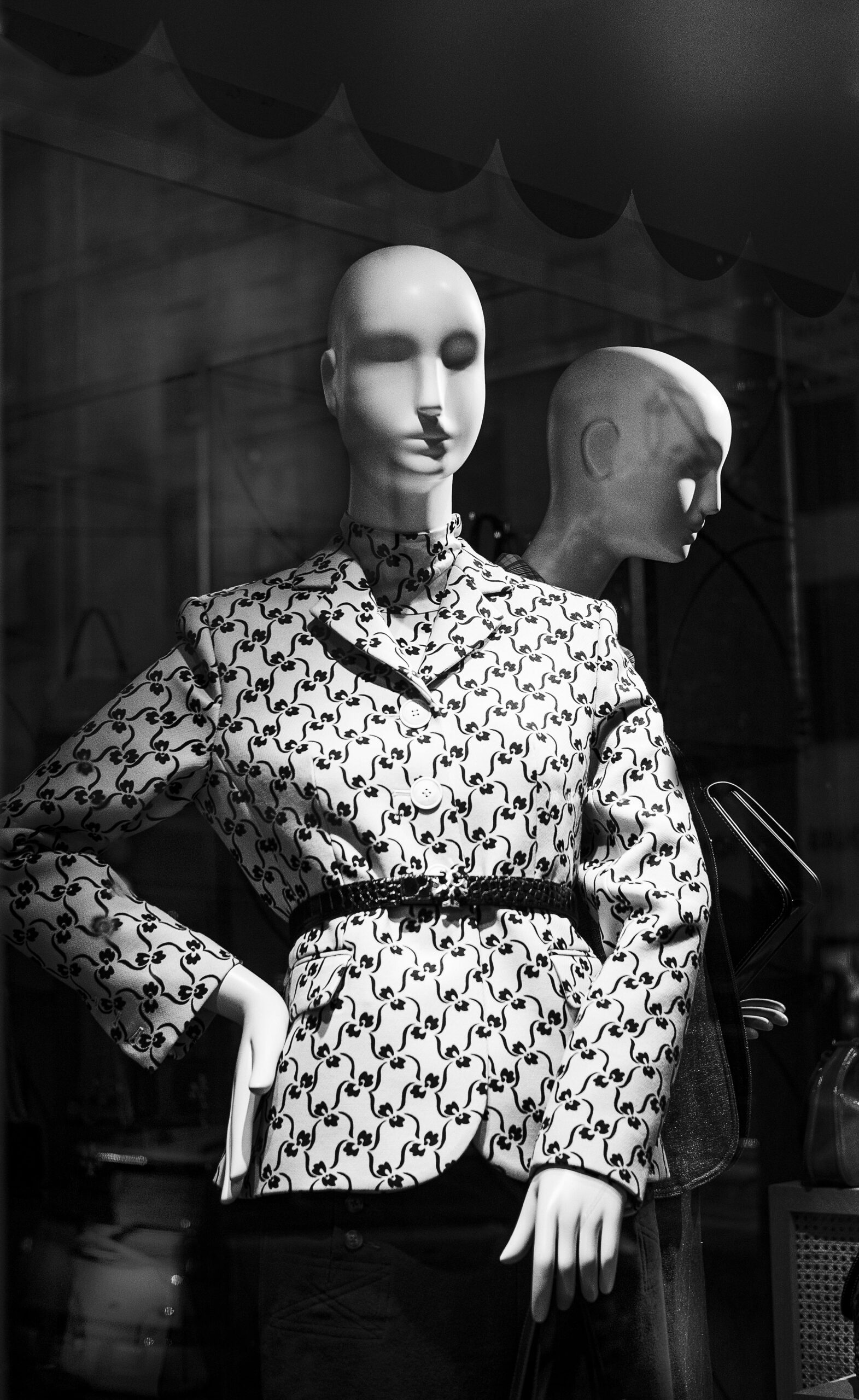
- The Focus Effect: Wearing structured garments (like a sharp blazer or a tailored coat) has been shown to increase abstract thinking and executive function.
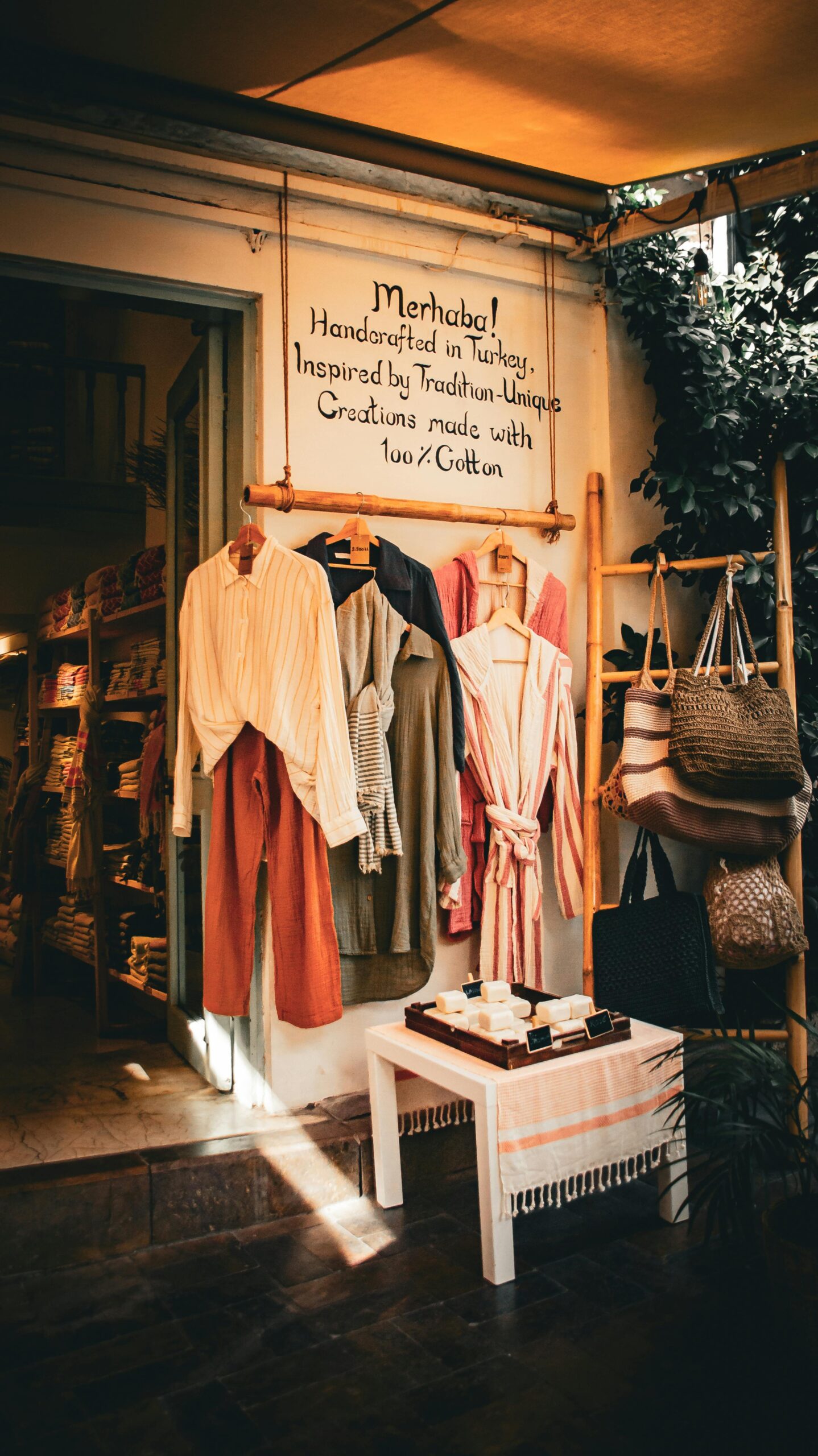
- The Comfort Anchor: In an anxious, fast-paced 2026, “Soft Dressing”—using heavy knits, silk linings, and weighted fabrics—acts as a sensory hug, lowering cortisol levels and providing a sense of safety.
- The Uniform as Freedom: For many high-performers, a self-imposed “Uniform” (e.g., five identical high-quality black tees) isn’t about a lack of style; it’s about Decision Fatigue reduction, allowing identity to be expressed through actions rather than constant aesthetic shifts.
2. Fashion as a Narrative Tool
In 2026, we’ve moved past “trends” and into “Micro-Aesthetics” that reflect specific internal identities.
| Aesthetic | Identity Signal | Confidence Boost |
| Quiet Luxury | “I value substance and longevity over noise.” | Provides a sense of “Stealth Wealth” and understated authority. |
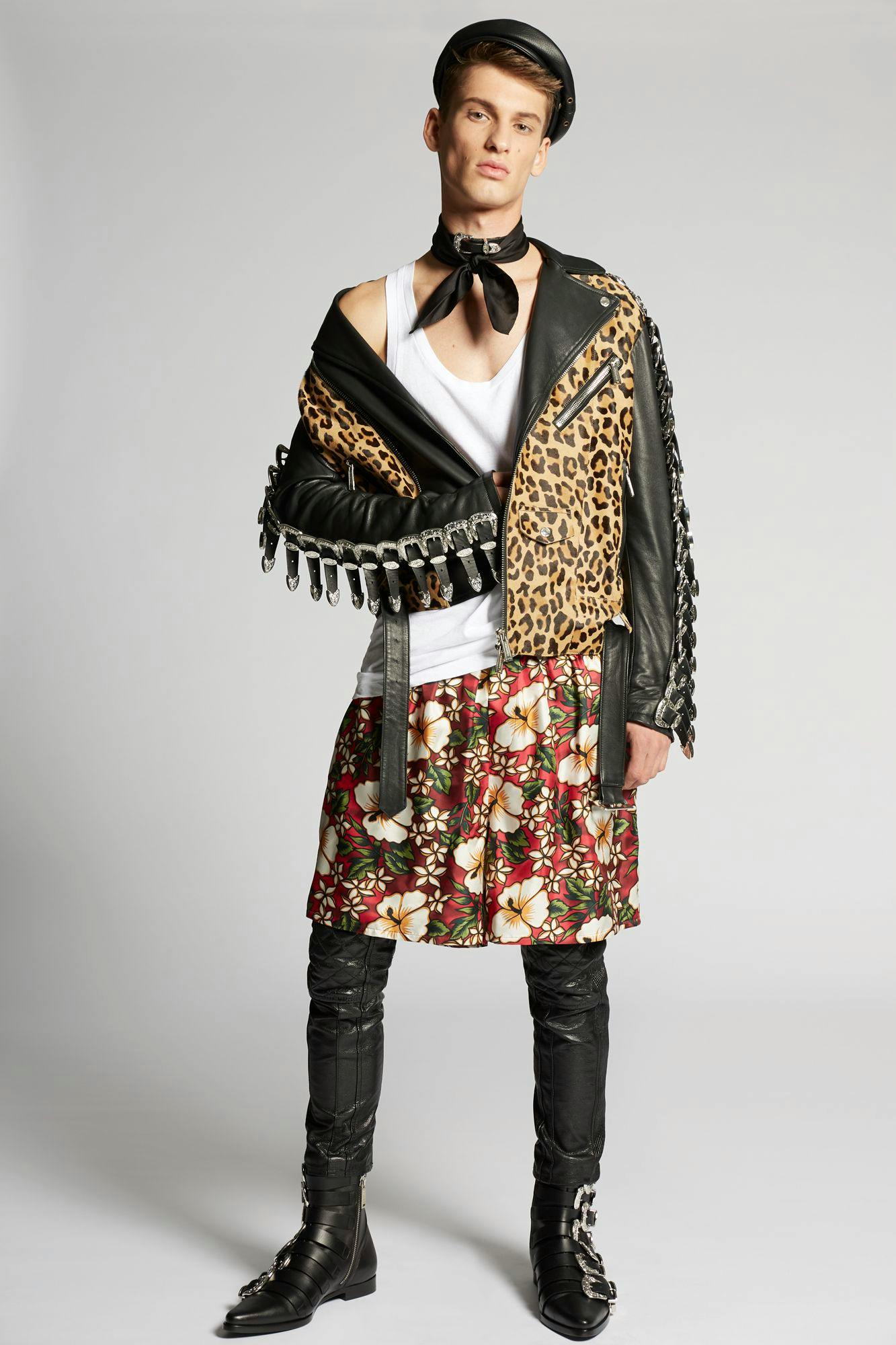
| Eclectic Grandpa | “I am whimsical, nostalgic, and comfort-focused.” | Breaks social barriers; feels approachable and creative. |
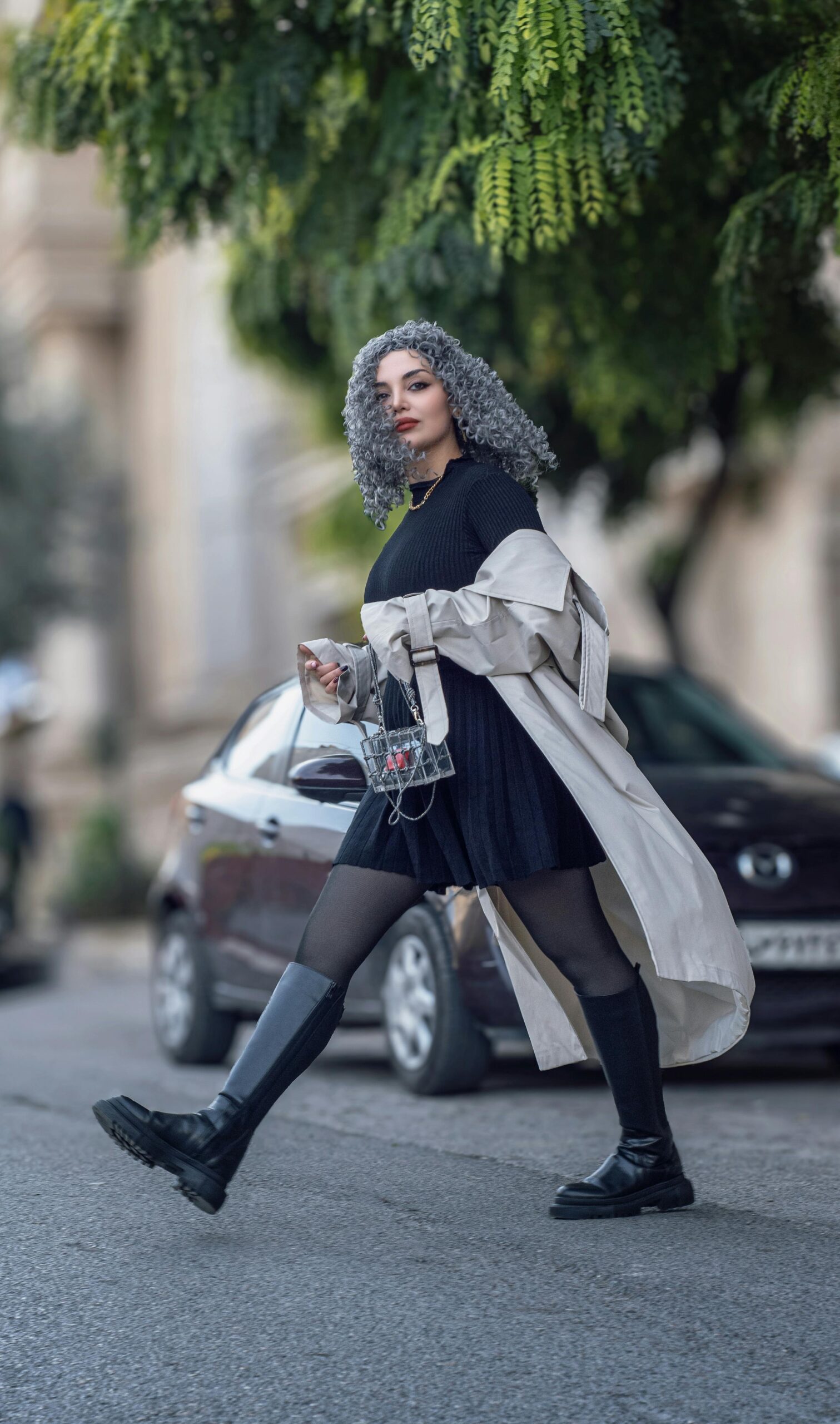
| Corporate Siren | “I am professional but retain my sharp, edgy autonomy.” | Reclaims power in traditional office environments. |
| Neo-Vintage | “I am connected to history and sustainability.” | Confidence comes from wearing something “one-of-a-kind.” |
3. The “Dopamine Dressing” Evolution
In 2026, color theory is being used as a form of Chromotherapy.
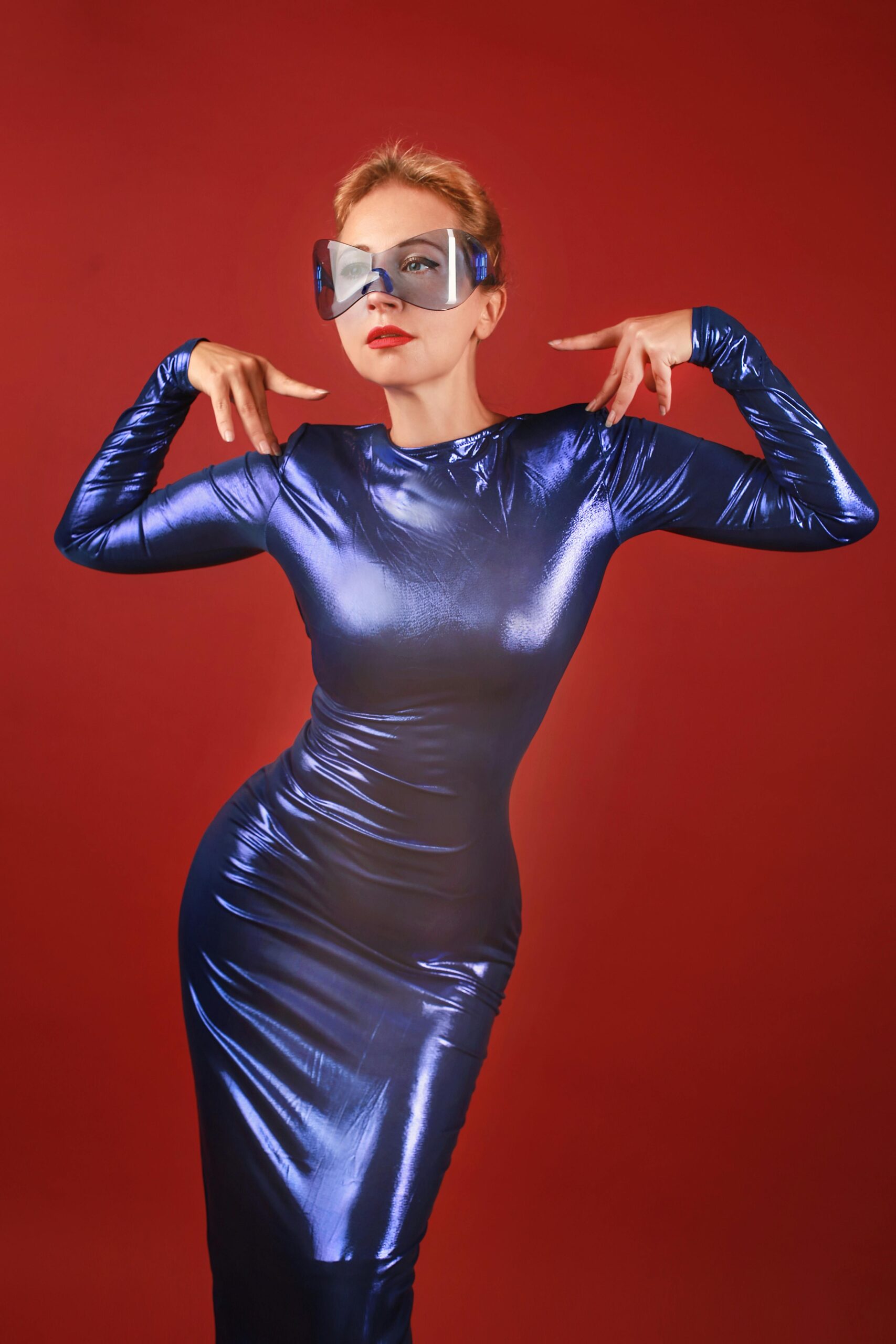
- Sizzling Red: Used as a “Power Color” to boost heart rate and confidence before major presentations or social events.
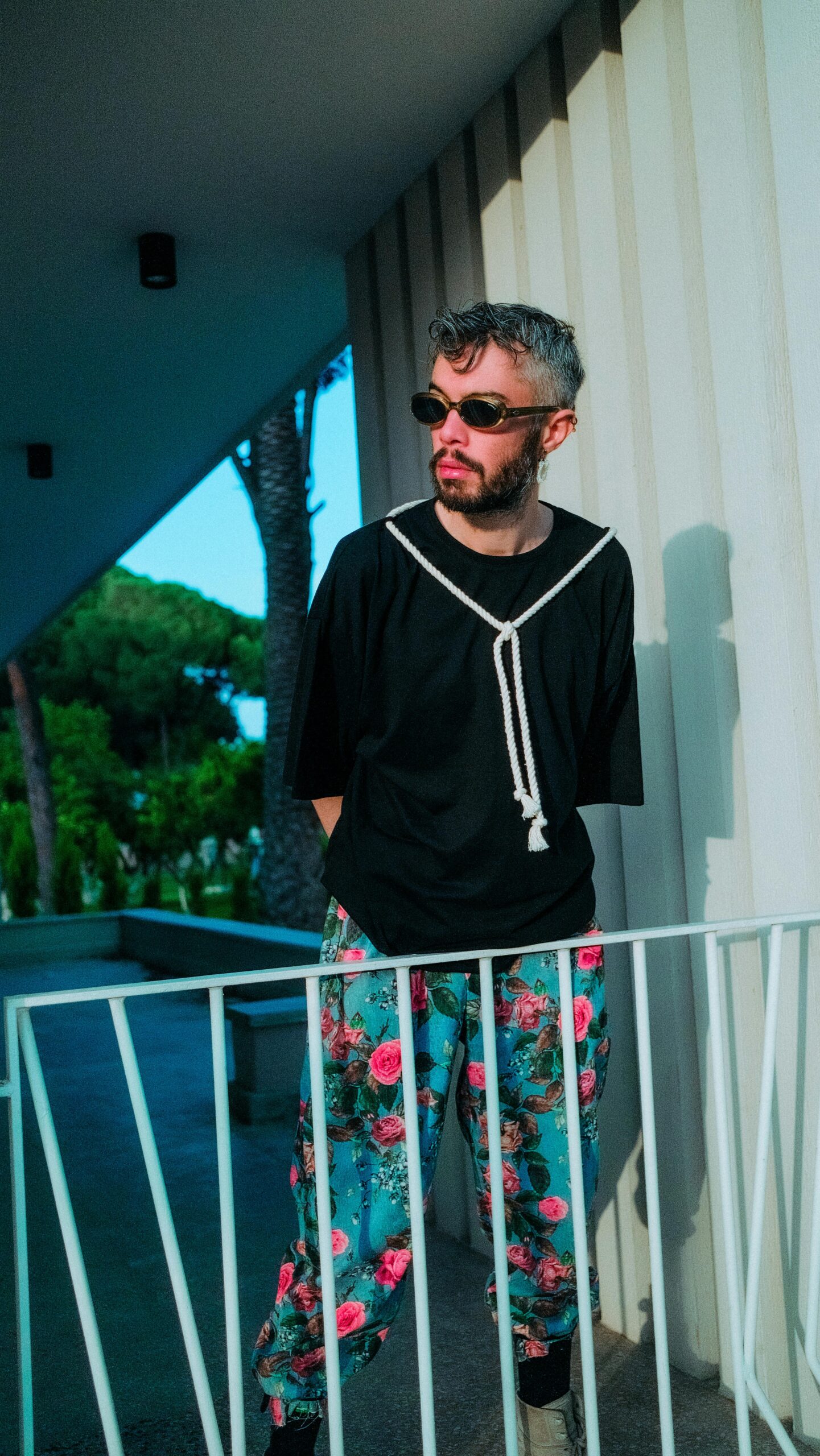
- Transformative Teal: The 2026 favorite for “Creative Flow”—a blue-green that fosters calm concentration and open-mindedness.
- Cloud Dancer (Off-White): Used to project a “Clean Slate” identity, signaling a fresh start or a state of mental clarity.
4. Clothing as “Social Armor”
Fashion provides a physical barrier between the private self and the public world.
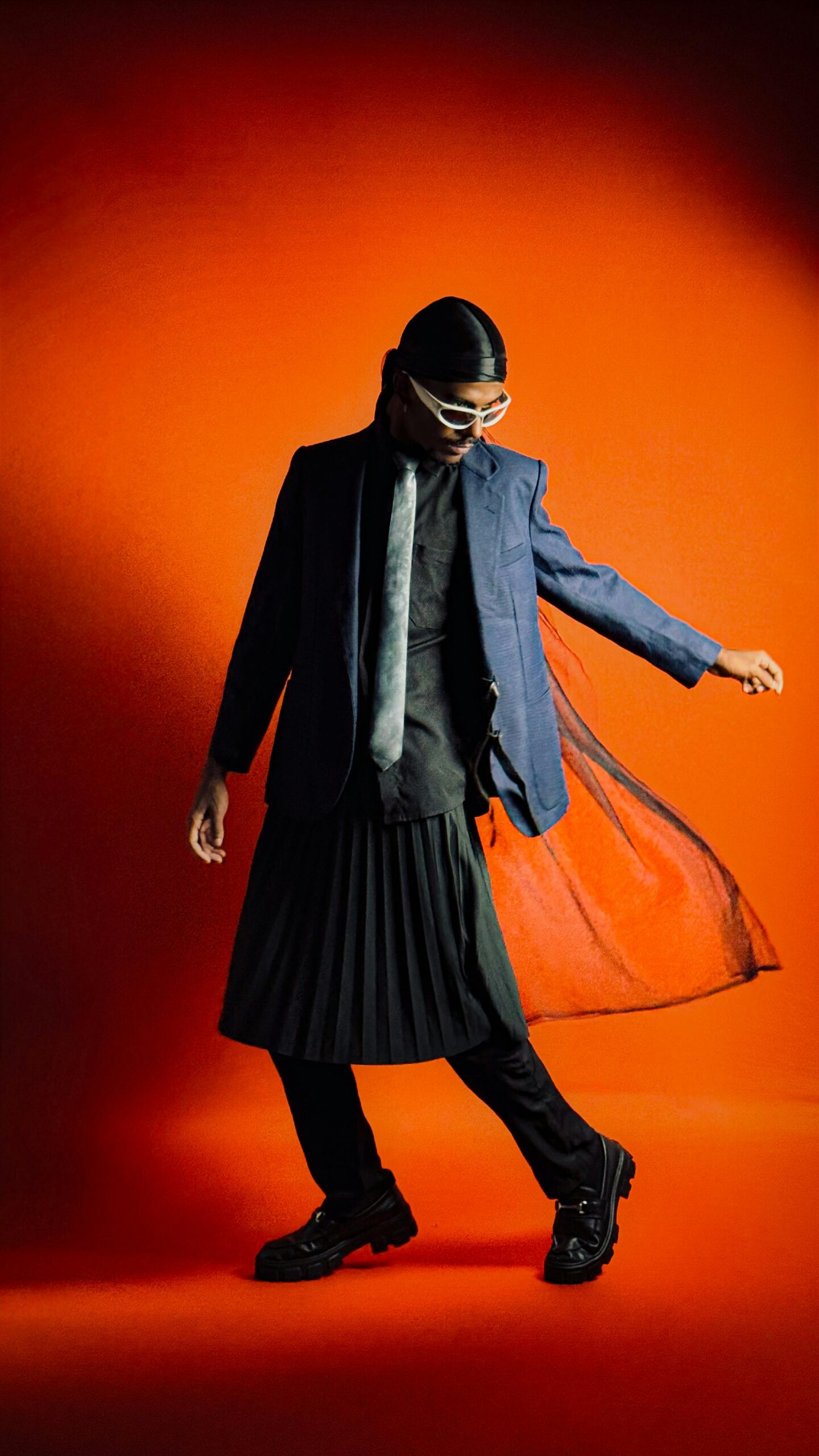
- Claiming Space: Oversized silhouettes and “XL” shoulders are a physical manifestation of taking up space in a room, projecting confidence even when one feels small.
- The “Look Good, Feel Good” Feedback Loop: When you wear something that aligns with your “Ideal Self,” your body language changes—you stand taller, make more eye contact, and speak more clearly. This external feedback (people reacting to your confidence) then reinforces your internal sense of self.
5. Summary: The 2026 Identity Audit
If you feel your confidence is flagging, try these three “Style Resets”:
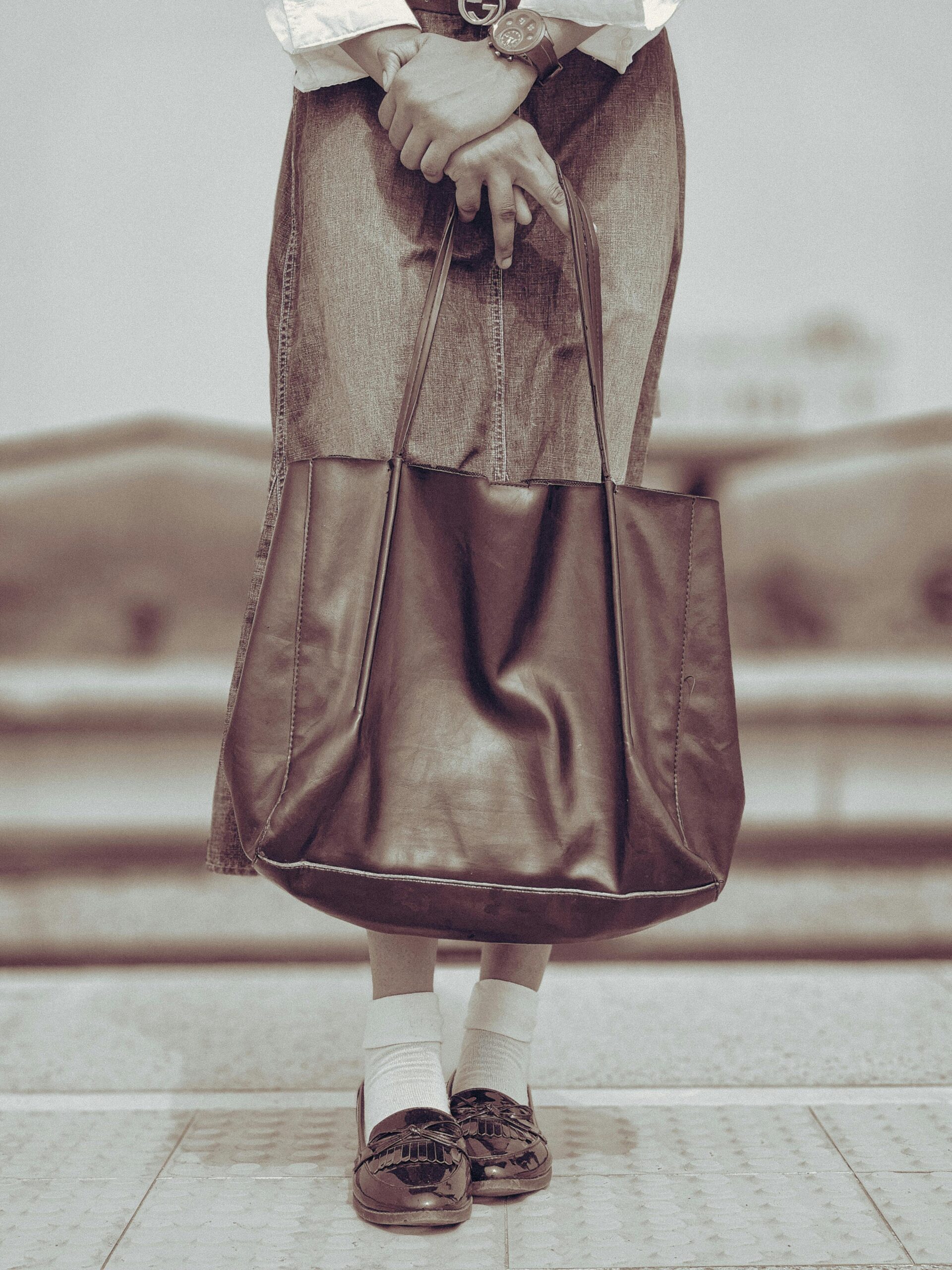
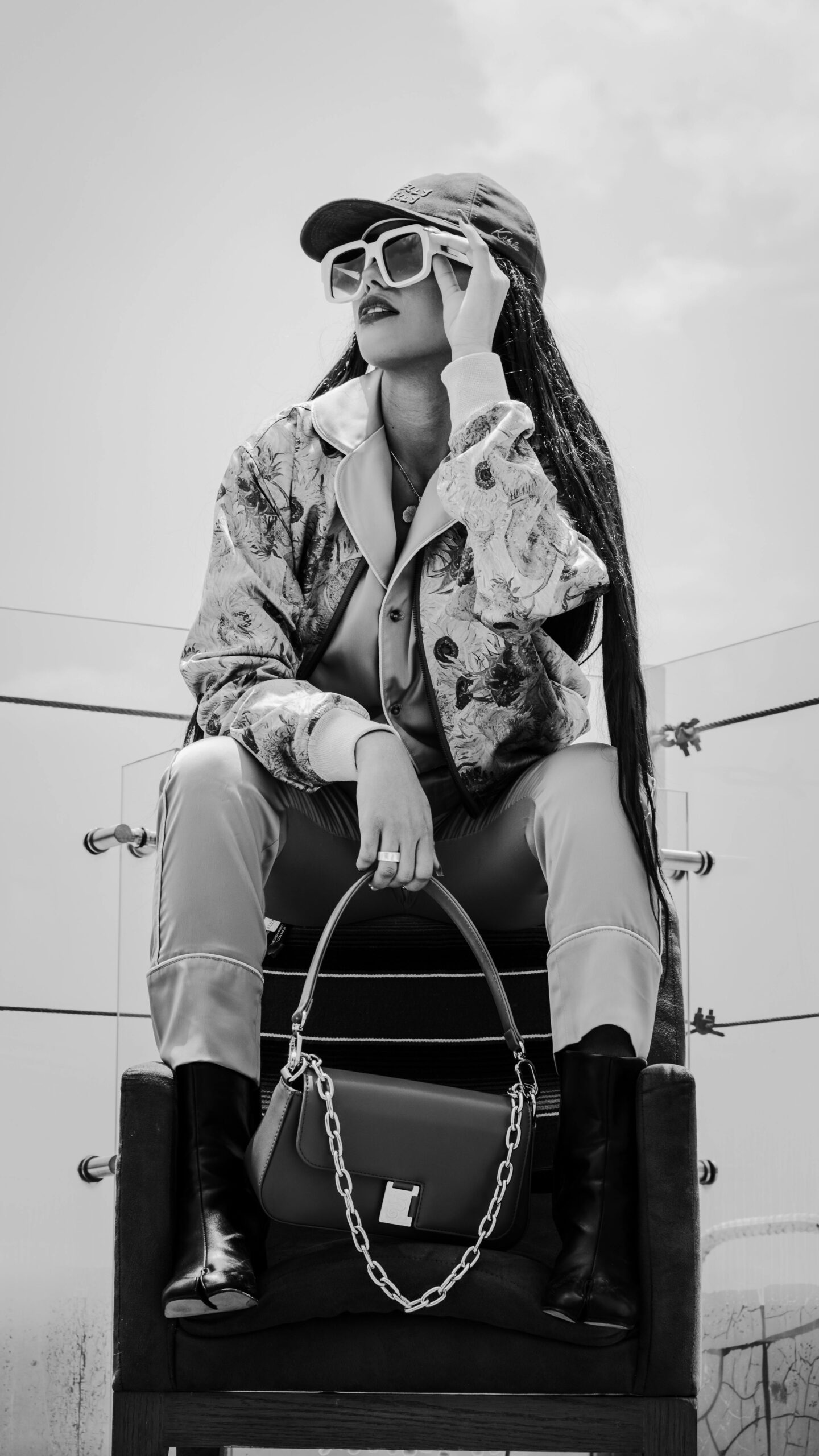
- The “Hero Item” Pivot: Find one item (a watch, a vintage jacket, a specific pair of boots) that makes you feel “most like yourself” and build your outfit around it.
- Texture Matching: Align your fabrics with your mood. Need to be tough? Wear leather or stiff denim. Need to be gentle? Wear cashmere or brushed silk.
- Color Anchoring: Use one bold color in an otherwise neutral outfit to act as a “Visual Anchor” for your personality.
2026 Style Quote: “Fashion is the armor to survive the reality of everyday life, but style is the shield that protects your unique identity.” — Adapted for the 2026 Era.

Leave a Reply