

In March 2026, the fashion industry is at a critical crossroads. While Fast Fashion continues to dominate global sales due to its extreme affordability, Slow Fashion has moved from a niche lifestyle choice to a regulated, mainstream standard, particularly in Europe and parts of Asia.
The debate is no longer just about “style” but about Cost-per-Wear, Digital Traceability, and Environmental Ethics.
1. Fast Fashion: The Speed of Micro-Trends
Fast fashion is a business model that replicates high-fashion trends at breakneck speed and low cost, often moving from design to shelf in under two weeks.
The Pros (Why it’s everywhere):
- Democratic Pricing: It allows consumers across all income levels to participate in current fashion trends.
- Instant Gratification: Ideal for “one-off” events (weddings, parties) or testing a new style without a large financial commitment.
- Unmatched Variety: Retail giants now drop thousands of new items per week, catering to every possible aesthetic.
The Cons (The hidden costs):
- Environmental Crisis: Fast fashion is responsible for 10% of global carbon emissions and uses 7,500 liters of water for a single pair of jeans.
- The “Throw-Away” Culture: Most items are worn fewer than 7 times. In 2026, the world produces over 120 million tonnes of textile waste annually.
- Ethical Opaqueness: The pressure for low prices often leads to unsafe working conditions and “poverty wages” in global supply chains.
2. Slow Fashion: The Return to Quality
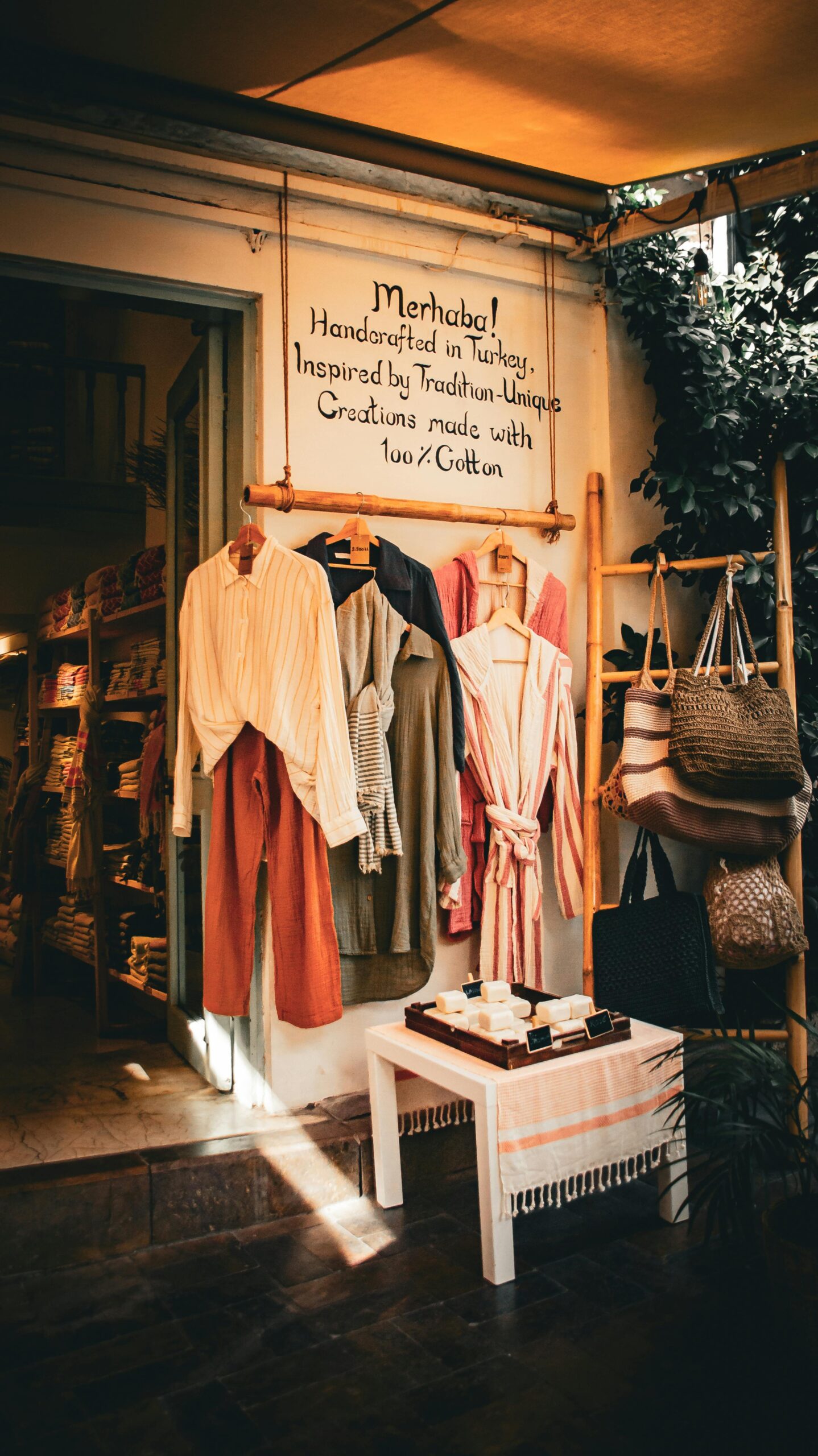
Slow fashion is an intentional approach that prioritizes quality, ethics, and longevity over rapid consumption.
The Pros (The long-term value):
- Cost-per-Wear Efficiency: While more expensive upfront, a $200 coat that lasts 10 years is cheaper in the long run than ten $40 coats that fall apart in months.
- Ethical Peace of Mind: Brands typically offer radical transparency, showing you exactly who made your clothes and ensuring fair living wages.
- Unique Aesthetic: Because production is small-batch, you are less likely to see someone else in the same outfit, fostering a more personal “signature style.”
The Cons (The barriers to entry):
- High Upfront Investment: The “barrier to entry” is high; not everyone can afford to spend $100+ on a basic shirt.
- Limited Trend Access: Slow fashion focuses on “timeless” pieces, which may feel boring to those who love experimental, fast-moving trends.
- Availability: Finding specific sizes or styles can be time-consuming, as items aren’t mass-produced at scale.
3. Head-to-Head Comparison (2026 Data)
| Factor | Fast Fashion | Slow Fashion |
| Durability | Low (Designed for obsolescence). | High (Designed for repair and longevity). |
| Material | Mostly Virgin Polyester (Plastic). | Organic Cotton, Linen, Mycelium (Bio). |
| Traceability | Often Opaque / “Greenwashed.” | Digital Product Passports (Full data). |
| Labor | Mass Outsourcing. | Fair-Trade / Local Craftsmanship. |
| End-of-Life | Landfill / Incineration. | Circular: Resale, Upcycle, or Compost. |
4. The 2026 “Smart” Middle Ground
Most consumers this month are adopting a Hybrid Strategy:
- The “Slow” Foundation: Investing in high-quality “staples” (jeans, blazers, winter coats) that last for years.
- The “Circular” Refresh: Using Rental Platforms or Peer-to-Peer Resale (like Vinted or Depop) for trendier pieces instead of buying them new.
- The Repair Habit: Taking advantage of brand-sponsored repair clinics (now common at major high-street retailers) to extend the life of existing garments.
2026 Sustainability Fact: If you double the number of times you wear a garment, you reduce its greenhouse gas emissions by 44%.







Leave a Reply