
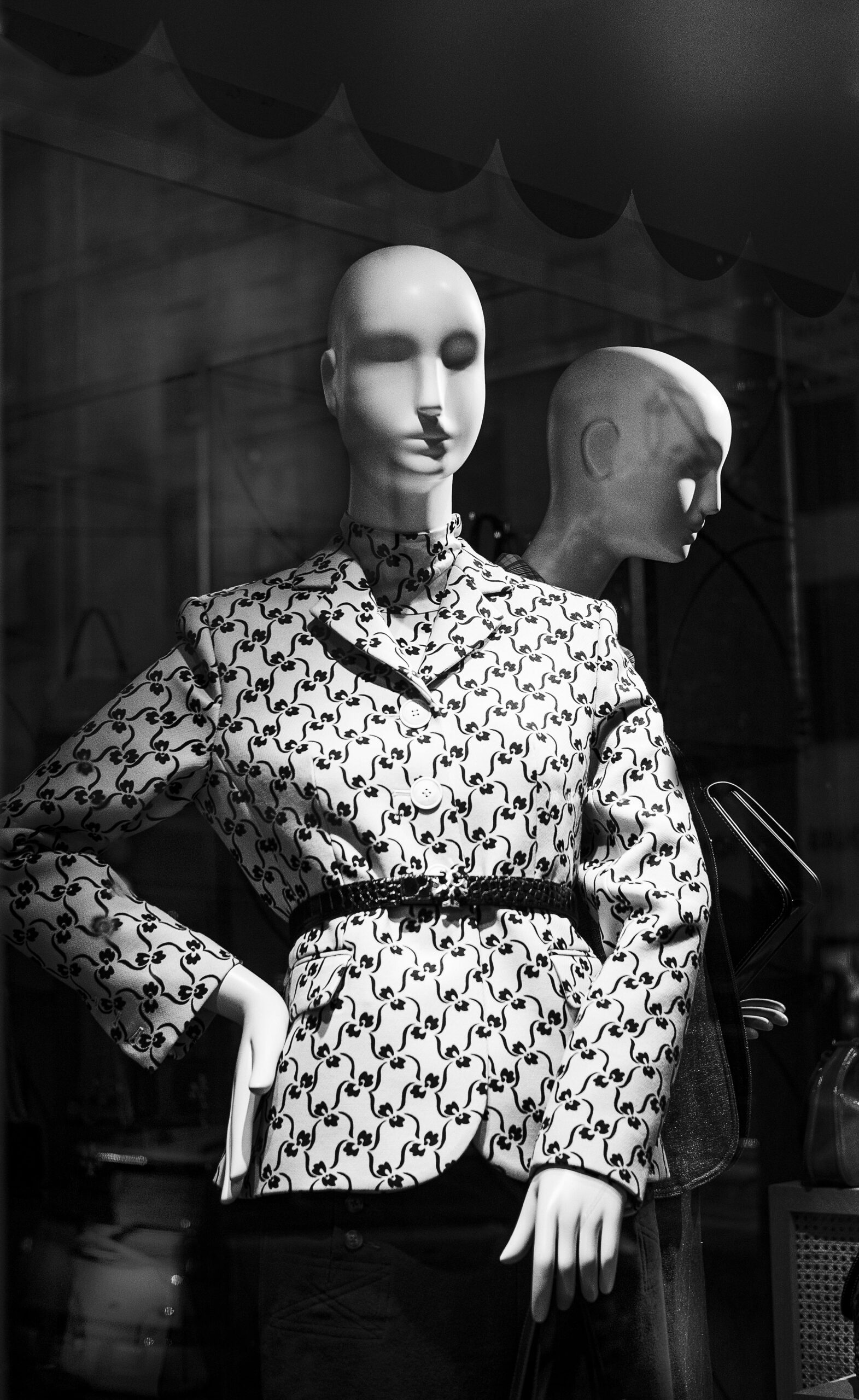
In March 2026, Fashion Forecasting has evolved from a game of “gut instinct” into a high-stakes fusion of Big Data, Sociological Mapping, and Generative AI. We no longer just look at what people are wearing; we look at how they are feeling, how they are moving, and what they are searching for in the digital “ether.”
The 2026 forecasting model is built on three distinct layers: The Macro-Shift, The Algorithmic Pulse, and The Creative Outlier.
1. The Three Layers of 2026 Forecasting
| Layer | Source of Data | Timeline | Example Forecast |
| Macro-Trends | Geopolitics, Climate Data, Economics. | 2–5 Years. | The shift toward “Climate-Adaptive Fabrics” due to rising global temperatures. |
| Micro-Trends | TikTok/Social algorithms, Gaming skins. | 2–6 Months. | The sudden 2026 surge in “Cyber-Calligraphy” prints on streetwear. |
| The “Vibe Shift” | Underground art, niche subcultures. | 1 Year. | The move from “Quiet Luxury” to “Tactile Maximalism” (heavy textures, bold colors). |
2. The AI Revolution: “Sentiment Analysis”
The biggest change this year is the use of Predictive Sentiment AI.
- Visual Recognition: AI “crawlers” scan millions of images from street style, social media, and digital showrooms to identify emerging silhouettes (like the 2026 Barrel Leg) before they hit the mainstream.
- Search Intent: Forecasters analyze search queries. If “sustainable silk” searches jump by $40\%$ in February, brands shift production for May.
- Digital Twins: Designers now use AI to simulate how a trend will perform in different markets (e.g., “Will this oversized blazer work in the Mumbai climate vs. London?”) before a single physical sample is made.
3. The Role of “Coolhunters” & Cultural Anthropologists
Despite the data, the human element remains the “soul” of forecasting.
- The “First Movers”: Forecasters look at “Lead Users”—skaters, digital artists, and underground musicians in cities like Lagos, Seoul, and Berlin. What they wear today, the world wears in 18 months.
- Color Psychology: As we saw with the 2026 choice of Cloud Dancer, color experts (like Pantone) look at the global “mood.” After a period of digital chaos, the world craved a “clean slate” and “serenity,” leading to the rise of airy off-whites and soft teals.
4. How a Trend Reaches Your Closet (The 2026 Pipeline)
- Inception: An underground artist in Tokyo starts wearing upcycled parachute silk.
- Detection: AI trackers flag a $15\%$ increase in “parachute fabric” mentions among fashion-forward accounts.
- Validation: Major forecasters (like WGSN) release a report on “Utility Romance.”
- Adoption: Luxury brands (Prada, Loewe) feature parachute-inspired silhouettes on the March 2026 runway.
- Mainstream: High-street retailers (Zara, H&M) release affordable versions by June 2026.
5. Summary: Why 2026 Trends Move Faster
In the past, trends moved in 10-year cycles. In 2026, because of Viral Social Cycles and Ultra-Fast Manufacturing, a trend can go from “cool” to “dated” in just 12 weeks. This is why forecasters are now emphasizing “Enduring Aesthetics”—trends that have a 3–5 year lifespan—to combat the waste of “ultra-fast” fashion.
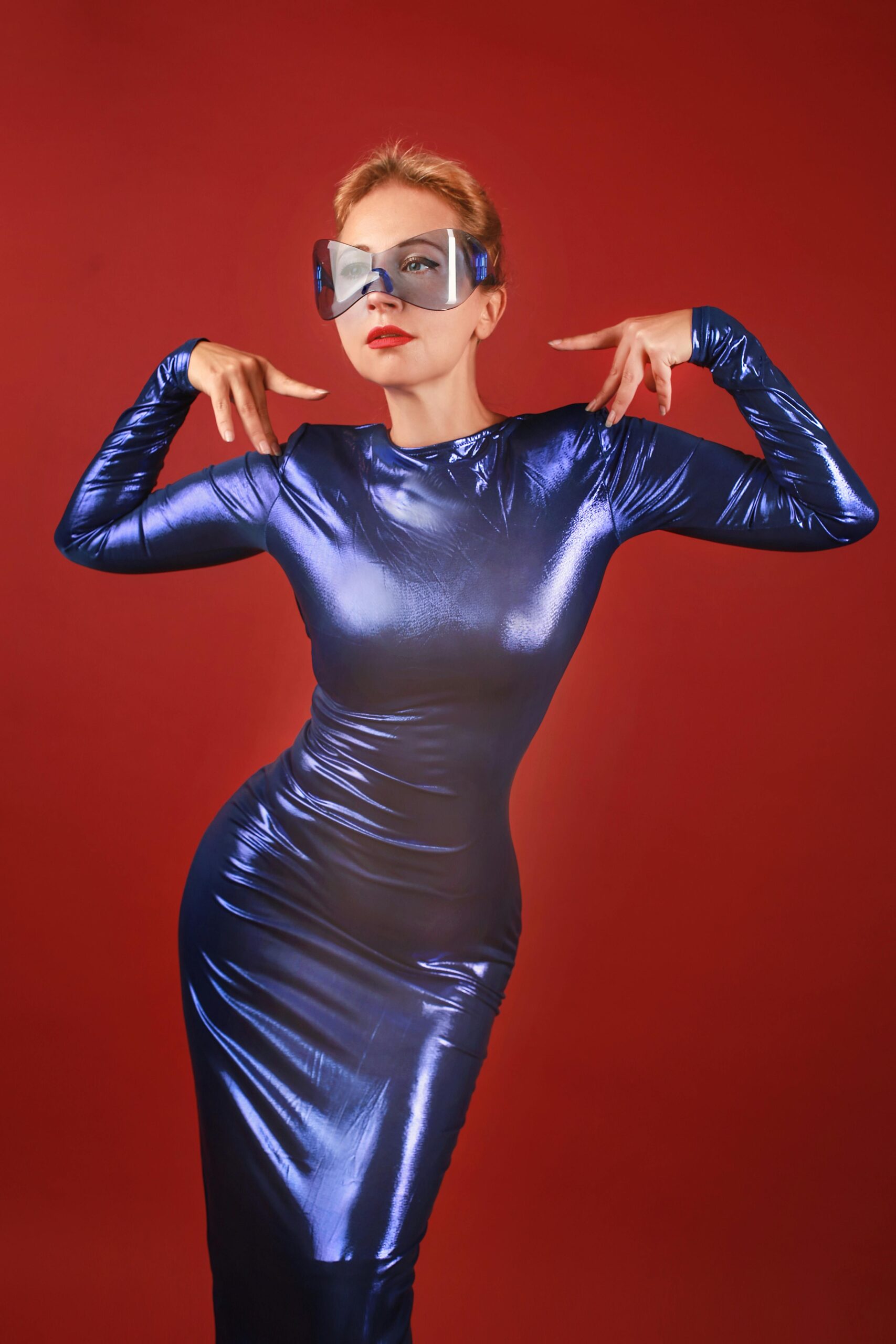
2026 Forecast Tip: Watch for “Bio-Luminescence.” As digital life blends with physical, we are seeing a trend toward fabrics that have a subtle, internal “glow” or light-reflective properties—moving from the screen to the street.

Leave a Reply