Restitution rarely covers non-economic harm like permanent physical disability, disfigurement, or the intense psychological impact of a life-altering crash. Obtaining true financial relief requires filing a separate civil action.
A serious drunk driving crash upends everything in an instant. The immediate aftermath is a blur of sirens, ER bays, and painful medical procedures—followed quickly by a stack of bills, missed workdays, and an overwhelming sense of uncertainty. When the dust settles, most people assume the driver’s auto insurance will step up to cover the fallout.
Then comes the gut punch: many crash survivors discover the driver who hit them carried only bare-minimum insurance. When severe injuries require six-figure trauma care, a basic policy barely scratches the surface. Knowing your legal options after a drunk driving crash becomes essential for bridging the massive gap between a low policy limit and your actual financial recovery.
If you or someone in your family is staring down mounting medical debt after a DUI crash, you aren’t out of options. Here is how victims can look beyond a single insurance policy to pursue every dollar they deserve.
The Hard Math Behind Minimum Coverage Limits
State-mandated insurance minimums were designed decades ago, and they haven’t kept pace with modern healthcare costs.
Data published by the National Highway Traffic Safety Administration (NHTSA) shows drunk driving crashes generate tens of billions in economic costs every single year. Yet millions of motorists drive around with the absolute bare minimum liability allowed by law, sometimes as low as $25,000 per person for bodily injury.
In a high-speed collision, $25,000 might cover the first few hours in an intensive care unit. Once an insurer pays out that policy cap, their legal obligation to that specific policy is essentially done, leaving injured victims holding the bag for everything else.
Key Takeaway: “Drunk driving crashes cause tens of billions in economic damages nationwide each year, yet millions of drivers carry policies that cap out after covering just a fraction of an ER visit.”
Looking Beyond the At-Fault Driver’s Policy
When the drunk driver’s coverage runs dry, finding full compensation means widening the lens. Experienced attorneys don’t just look at the person behind the wheel. Instead, they examine the entire chain of events leading up to the crash.
1. Uninsured and Underinsured Motorist (UM/UIM) Coverage
Your own car insurance policy is often the most direct safety net. Underinsured Motorist (UIM) coverage exists specifically for this scenario: it kicks in to cover the shortfall when the person who hit you lacks enough insurance.
- How it plays out: Say your medical bills and lost wages total $150,000, but the drunk driver’s policy caps out at $25,000. If you carry $100,000 in UIM coverage, your own insurer steps in to cover up to that additional $100,000 limit.
2. Dram Shop and Social Host Liability
Sometimes, the establishment that served the driver shares the blame.
Under commercial liability principles, bars, restaurants, and taverns can be held legally responsible if they serve alcohol to a visibly intoxicated patron who later causes a wreck. Proving a claim requires showing the staff knew, or clearly should have known, the person was impaired when they handed over another drink.
- Commercial Venues: Establishments carry commercial liability policies, which typically have much higher limits than individual auto insurance.
- Social Hosts: In select jurisdictions, individuals hosting private events who supply alcohol to minors or excessively impaired guests can also face civil liability.
3. Employer Liability (Respondeat Superior)
If the intoxicated driver was driving a company vehicle, running an errand for their boss, or commuting for work duties at the time of the crash, the employer may be liable. Under the legal principle of respondeat superior, companies are generally responsible for the actions of employees acting within the scope of their work.
4. Umbrella Policies and Personal Assets
High-income individuals or business entities often carry umbrella insurance, which is secondary coverage that kicks in when primary policy limits are exhausted. In cases of gross negligence, victims can also pursue a direct civil judgment against the driver’s personal savings or assets, though success depends heavily on the driver’s actual wealth.
Why Criminal Charges Don’t Pay Your Bills
It’s a common misconception that a criminal trial will take care of a victim’s financial losses.
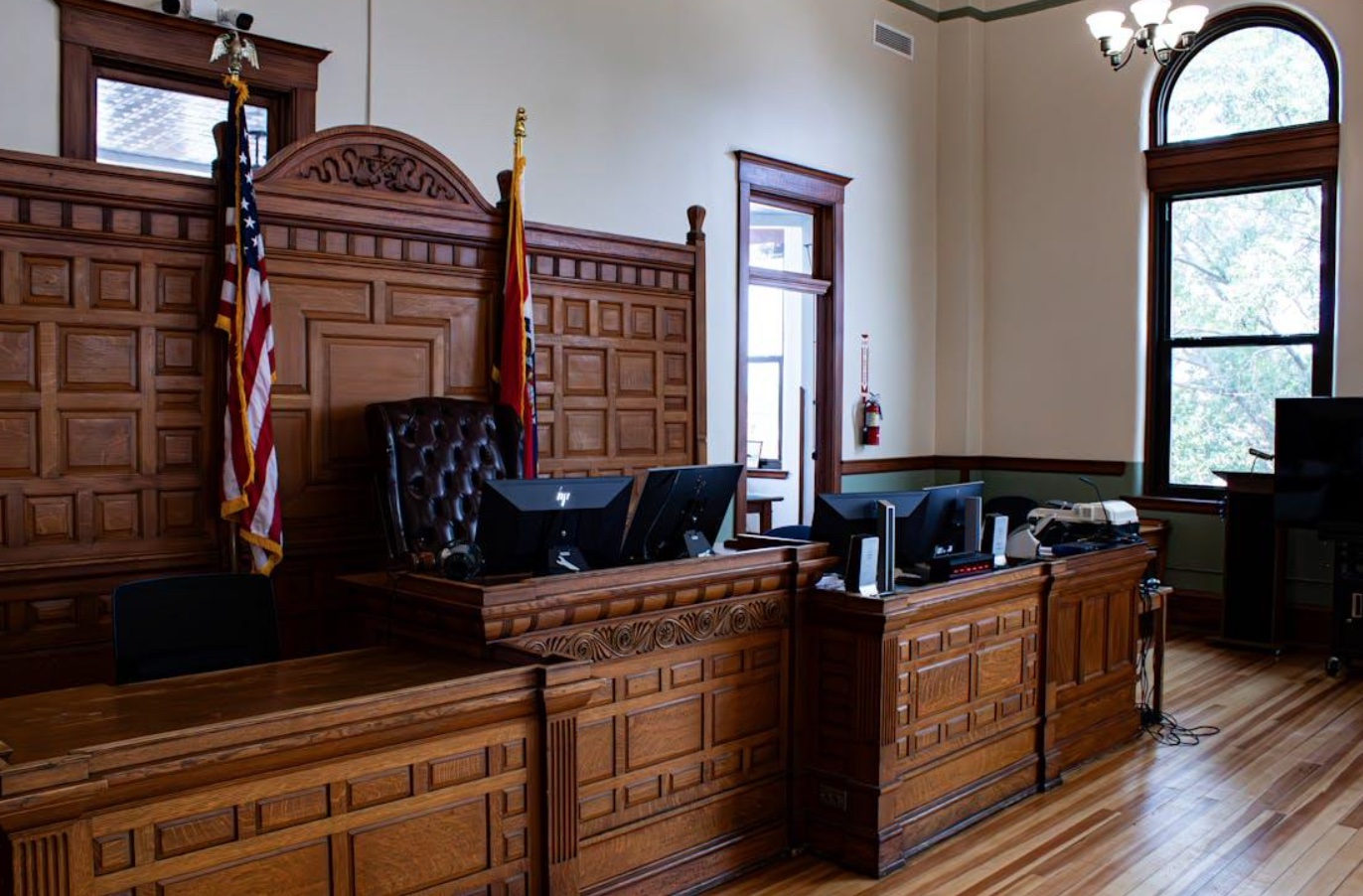
A criminal DUI trial is strictly about punishing the driver through fines, license suspensions, or jail time to protect the public. While a criminal judge might order the offender to pay court-mandated restitution, those payments are usually restricted to direct out-of-pocket expenses and paid out in tiny monthly installments over years.
Restitution rarely covers non-economic harm like permanent physical disability, disfigurement, or the intense psychological impact of a life-altering crash. Obtaining true financial relief requires filing a separate civil action.
Expert Insight: “The criminal justice system penalizes the drunk driver; the civil justice system secures the funding required to rebuild a victim’s life.”
Strategic Steps to Protect Your Financial Recovery
Building a case that stretches beyond a basic auto policy requires preserving evidence early and staying disciplined in the weeks after a collision.
- Secure Official Records Right Away: Grab a copy of the police report, toxicology reports, and contact info for any bystanders who saw the driver drinking or driving erratically.
- Follow Every Treatment Plan: Incomplete medical care gives insurance adjusters an excuse to argue your injuries weren’t serious or were caused by something else.
- Notify Your Own Insurer Early: Report the accident to your carrier to activate potential UIM coverage, but stick strictly to the facts until you’ve evaluated your full damages.
- Resist Fast Settlement Offers: Insurance companies often throw out early “lump sum” offers to close a file fast before you realize how much long-term care will actually cost.
- Get Professional Legal Guidance: Uncovering secondary insurance policies or proving dram shop liability demands aggressive investigation, witness interviewing, and negotiation.
Frequently Asked Questions
What if the drunk driver had no insurance at all?
If the driver is completely uninsured, your primary path to recovery relies on your own Uninsured Motorist (UM) policy or pursuing third parties, such as the bar that overserved them.
Can I sue the driver directly for their personal assets?
Yes. However, if the driver lacks significant assets or income, collecting on a personal judgment can be nearly impossible. That is why finding applicable insurance policies or third-party liability is so critical.
Will filing a UIM claim cause my own insurance rates to jump?
In most states, insurance companies are legally prohibited from raising your premium rates for filing a claim on a crash where you were completely at fault-free.