

In March 2026, Sustainable Fashion has transitioned from a niche marketing term to a regulated industry standard. The focus has shifted from merely using “organic” materials to a comprehensive Circular Economy model, where every garment is designed with its “next life” in mind.
The 2026 landscape is defined by Material Innovation, Radical Transparency, and Asset-Based Dressing.
1. The “Big Three” Sustainable Fabrics of 2026
Traditional organic cotton is now supplemented by a new generation of high-performance, low-impact textiles.
- Mycelium & Bio-Leathers: 2026 marks the industrial scaling of mushroom-based leather. Unlike synthetic “vegan” leathers (which are often plastic), mycelium is fully biodegradable, uses $99\%$ less land than cattle, and is being used by major luxury houses for its unique, organic grain.
- Seaweed & Algae Fibers: These “ocean-grown” textiles are carbon-negative and skin-friendly, containing natural antioxidants. They require zero freshwater or pesticides to grow, making them the ultimate 2026 choice for activewear.
- Regenerative Hemp & Linen: Beyond being “eco-friendly,” these crops are now valued for Carbon Sequestration—actively healing the soil as they grow. Hemp, in particular, is the “eco-powerhouse” of 2026 due to its extreme durability and low water footprint ($~500$ liters per kg vs. $10,000$ for conventional cotton).
2. The Rise of Circular Business Models
In 2026, leading brands are decoupling their revenue from the production of new clothes.
- Integrated Resale (Re-Commerce): Most major retailers now host their own “Pre-Loved” sections. A garment is treated as an asset; you can often scan a tag to see its guaranteed trade-in value.
- The Repair Revival: Visible mending (using contrasting threads or calligraphic patches) is a status symbol of 2026. High-end brands now offer “Lifetime Repair” subscriptions as part of the initial purchase.
- Take-Back Programs: With the rollout of Digital Product Passports, brands can now track the fiber composition of old garments, making “Fiber-to-Fiber” recycling (turning an old shirt into a new one) finally profitable at scale.
3. How to Build a Sustainable Wardrobe (2026 Guide)
Building a “Green” closet this year is about Decision Intelligence rather than just buying “eco” lines.
| Step | 2026 Action | Environmental Impact |
| Audit | Use a “Wear-Tracker” app to see what you actually use. | Prevents “Ghost Wardrobe” waste (the $26\%$ of clothes never worn). |
| Evaluate | Apply the “30-Wear Test” before any purchase. | Doubling a garment’s life reduces its carbon footprint by $44\%$. |
| Verify | Scan QR codes for GOTS or OEKO-TEX certifications. | Eliminates “Greenwashing” by providing a traceable supply chain. |
| Maintain | Wash at 20°C and air dry exclusively. | Extends fiber life and prevents microplastic shedding. |
4. The “Hidden” Costs: Why it Matters Now
The 2026 data shows that the fashion industry is still responsible for $~10\%$ of global emissions—more than all international flights and maritime shipping combined.
- Water Stress: A single pair of conventional jeans still takes 7,500 liters of water to produce.
- Microplastics: Synthetic fibers (polyester, nylon) account for 35% of all microplastics in our oceans.
- Waste: The equivalent of one garbage truck of textiles is landfilled or burned every second globally.
5. Summary: The 2026 Conscious Consumer
The most sustainable garment is the one already in your closet. In 2026, “Style” is defined by Longevity:
- Invest in “Hero” Pieces: Spend more on five high-quality, repairable items than fifty cheap ones.
- Support Local & Ethical: Look for “Onshore” manufacturing to reduce transportation emissions and ensure fair wages.
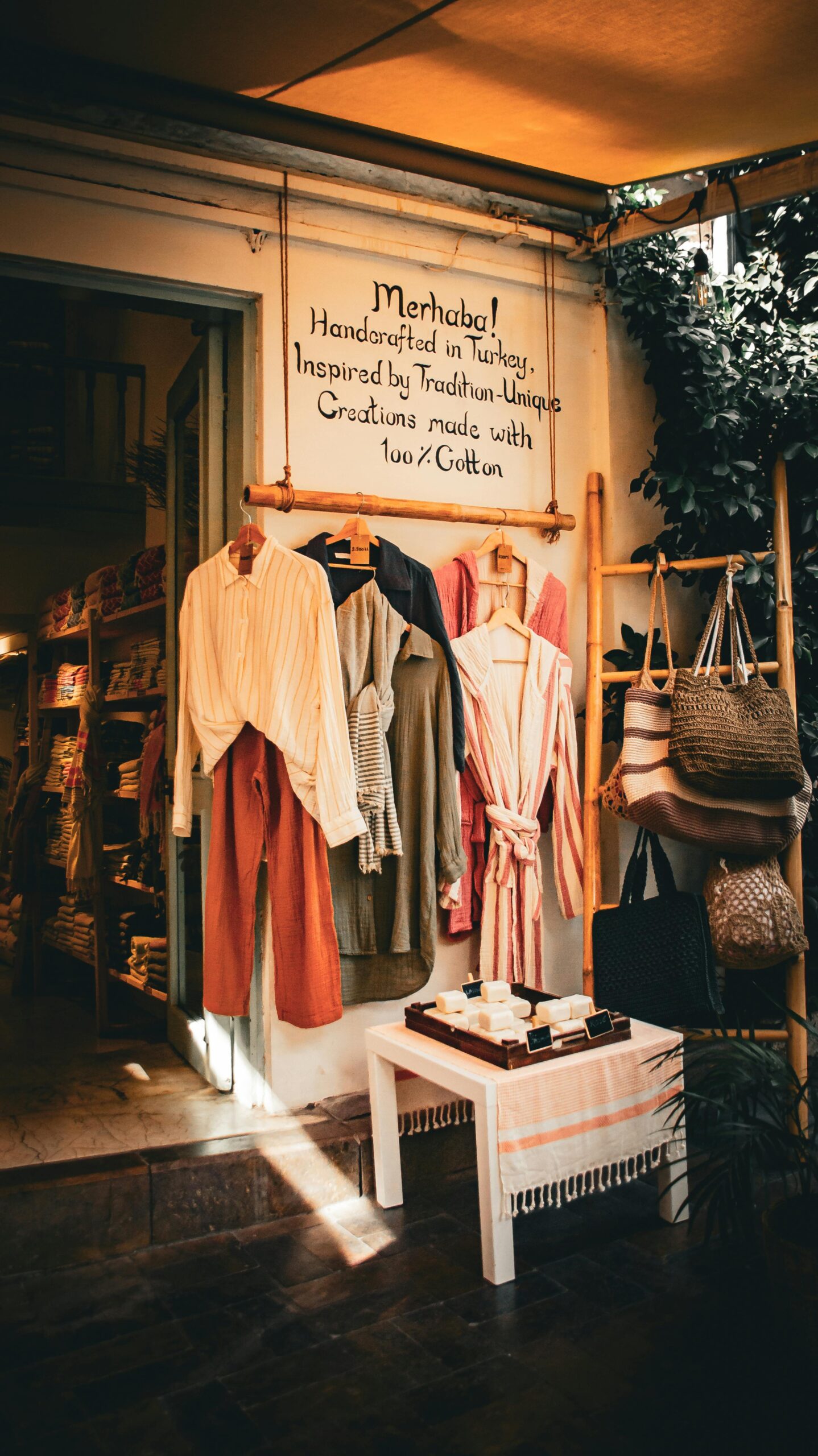
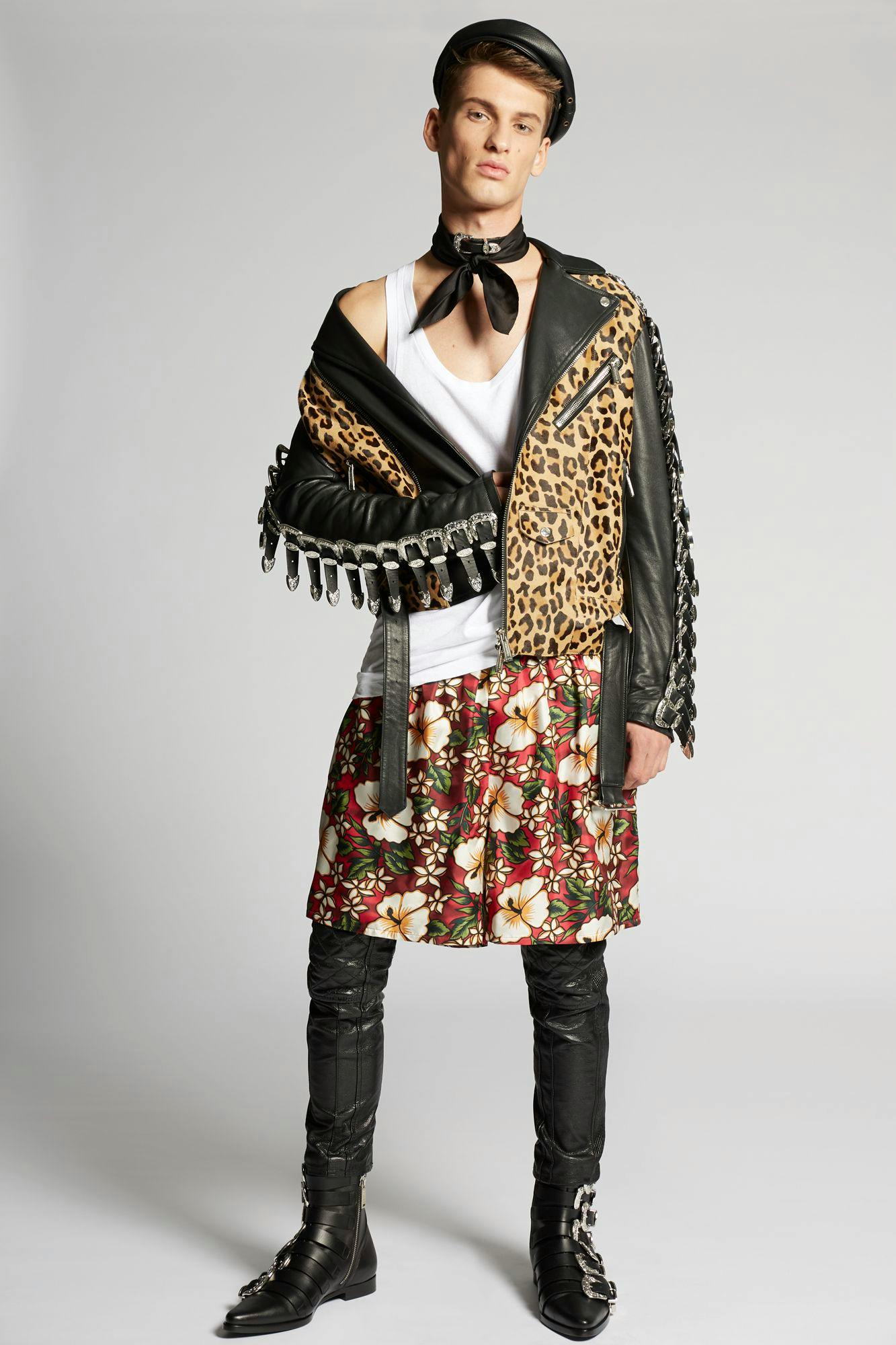
- Embrace “Ethical Maximalism”: Sustainability doesn’t have to be beige and boring. 2026 is seeing bold colors and clashing prints made from non-toxic, plant-based dyes.
2026 Pro-Tip: When clearing out your closet this month, avoid the “Donation Bin” unless it’s a verified textile recycler. Instead, use a Peer-to-Peer Resale App or a brand-specific Trade-In Program to ensure the garment stays in the circular loop.




Leave a Reply